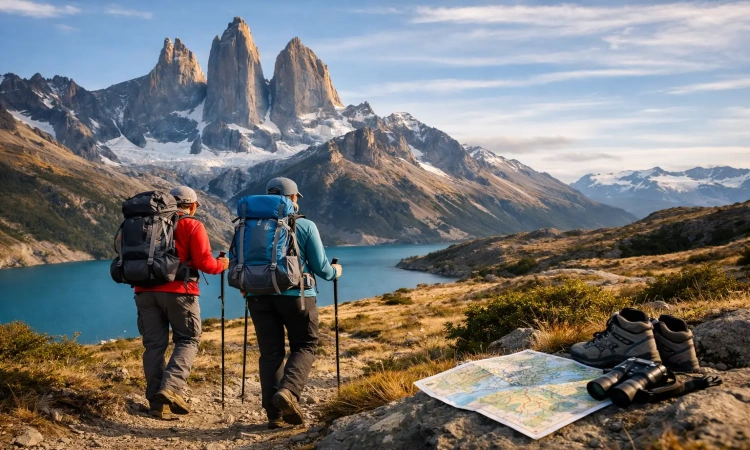
Patagonia rewards independent trekkers, but it does not forgive casual planning. If you are considering self guided Patagonia trekking, the appeal is obvious - you set your pace, carry only what you need, and experience Torres del Paine on your own terms. The challenge is that freedom still depends on a tightly coordinated chain of bookings, transport connections, and route sequencing that can make or break the trip.
That is what makes this style of travel so compelling. You do not need a guide to complete the W Trek, the O Circuit, or shorter point-to-point routes in Chilean Patagonia. You do need a realistic plan that matches your fitness, your travel dates, and the availability of refugios, campsites, ferries, and buses.
Why self guided Patagonia trekking works so well
For many travelers, Patagonia is best experienced independently. The trails in Torres del Paine are well established, the route network is clear, and the main trekking circuits are designed around overnight stops at specific refugios and camp areas. That makes self-guided travel not only possible, but often the preferred option for hikers who want structure without the pace of a group tour.
The biggest advantage is flexibility within a defined framework. You still follow a set route and sleep in fixed overnight locations, but your hiking day is your own. You can leave early for calmer weather, take your time at viewpoints, or move steadily without waiting for a group. For active travelers who are comfortable hiking on marked trails, that balance feels right.
The trade-off is that Patagonia is not a destination where you can improvise much once you arrive. In peak season, accommodation fills quickly. Boat schedules, park entry timing, and bus transfers all need to line up with your route. If one piece is missing, the whole itinerary can become awkward or impossible.
Choosing the right route
The best self guided Patagonia trekking route depends less on ambition and more on time, hiking experience, and how much uncertainty you want to handle.
The W Trek
This is the most popular option for a reason. The W Trek condenses Torres del Paine’s headline scenery into a manageable format, usually completed in four to five days. You get the major highlights - Base Torres, the French Valley area, and Glacier Grey - with more lodging choices and a lower physical commitment than the full circuit.
For many first-time visitors, the W is the smartest place to start. It offers a genuine trekking experience without requiring a full week on trail. If your vacation window is limited or you want a route with simpler logistics, this is usually the strongest fit.
The O Circuit
The O Circuit adds the quieter northern side of the park and turns the trip into a full circuit, usually seven to nine days. It is more demanding, both physically and logistically, and includes the John Gardner Pass, which can be a serious weather-dependent section.
This route suits experienced trekkers who want a longer, more immersive trip and are comfortable with sustained multi-day effort. The payoff is space, variety, and a stronger sense of expedition. The trade-off is that you need more preparation, more availability across multiple overnight points, and more tolerance for changing conditions.
Shorter trekking itineraries
Not every Patagonia trip needs to be a classic circuit. Some travelers build a shorter plan around one or two nights in the park, focusing on Base Torres or Grey Glacier. This can work well if you are combining Torres del Paine with other regions of Chilean Patagonia or traveling with mixed activity levels.
These itineraries are less iconic than the full W or O, but they can be a better decision if you want to avoid overloading a shorter trip.
The real challenge is logistics, not the trail
On the ground, the trails themselves are usually the straightforward part. The harder part is securing the right overnight sequence and getting to each trailhead at the right time.
In Torres del Paine, your trek is shaped by where you sleep each night. Refugios and campsites are spread across the circuit, and they are not interchangeable. You cannot simply decide to stop wherever you feel like it. Daily hiking distances are tied to fixed accommodation points, so route planning starts with bed availability, not just trail preference.
Transport matters just as much. Depending on your direction of travel, you may need a bus to the park, a shuttle between entry points, and the catamaran across Pehoe Lake. Miss one connection and the whole first day can unravel quickly. This is why experienced independent travelers often look for structured self-guided itineraries rather than building everything from scratch.
Booking Patagonia Travel is relevant here because it solves the exact friction that makes Patagonia harder than many other trekking destinations - seeing live availability and packaging the route in the right order so the trip is actually workable.
Lodging choices shape the experience
Self-guided does not mean one standard setup. In Patagonia, your overnight style changes both comfort and pack weight.
Refugios are the simpler option for many international travelers. They reduce the amount of gear you need to bring and make the trek more accessible if you are flying long-haul. A dorm-style bed, prepared meals, and indoor shelter can be worth it after a day of wind, rain, or cold.
Camping offers a more classic trekking feel and can lower costs, but it usually requires more equipment or a willingness to arrange rental gear and campsite services in advance. That can work very well if you are experienced and want a more outdoors-focused trip. It is less appealing if you are trying to keep travel logistics light.
There is no universal right answer. If this is a bucket-list trip and you value recovery, refugios often make the experience smoother. If budget and self-sufficiency matter more, camping may be the better fit.
When to go, and what that changes
The main trekking season runs roughly from October through April, with the heart of the season falling between December and February. That period offers the longest days and the broadest range of operating services, but it also brings the most demand.
Shoulder months can be excellent for travelers who want fewer people on the trail, but they come with trade-offs. Weather can be colder and less stable, and some departures or services may be more limited. If you are planning the O Circuit, timing matters even more because shoulder-season conditions can affect both comfort and route viability.
Patagonia weather never becomes predictable in the way many travelers hope. Strong wind, fast-moving systems, and sharp temperature swings are part of the experience. Self-guided trekkers do not need technical mountaineering skills, but they do need to respect the forecast, start days early when needed, and keep expectations flexible.
How to plan self guided Patagonia trekking well
Good planning starts with an honest answer to one question: how hard do you want this trip to feel?
A lot of trekkers choose routes based on what sounds most impressive, then end up with an itinerary that is too compressed or physically draining. A better approach is to work backward from your actual hiking pace, recovery needs, and total travel schedule. If you are arriving after long international flights, adding a buffer night before the trek can make the entire experience better.
It also helps to think in stages, not just total days. One five-day W Trek can feel very manageable. Another can feel rushed if overnight locations force long back-to-back days. The same route name does not always mean the same experience.
Pack planning should follow the same logic. Bring what supports the route you booked, not what you would carry on a remote wilderness expedition. In Torres del Paine, overpacking is one of the most common mistakes. Layers for wind and rain matter. Extra weight you never use does not.
Finally, book early if your dates are fixed. This matters most from December through February, when availability pressure is highest. The longer you wait, the more likely you are to end up with compromised route sequencing, awkward start dates, or no workable itinerary at all.
Is self-guided right for you?
For most active travelers, yes. If you are comfortable following marked trails, managing your own pace, and sticking to a pre-booked itinerary, self-guided trekking is often the best way to experience Patagonia. You get independence without losing the practical support that this destination requires.
If you prefer having daily interpretation, on-trail coaching, or a fully escorted group dynamic, a guided trip may suit you better. But many travelers do not need that level of structure. What they need is clarity before the trip starts - the right route, the right overnight sequence, and confidence that the logistics are already lined up.
That is the sweet spot. Patagonia feels wild, but the best self-guided trips are built on careful coordination. Get that part right, and what is left is the reason people come here in the first place: long trail days, huge skies, glacier views, and the rare satisfaction of moving through one of the world’s great trekking landscapes under your own power.
Plan for the freedom you want, but give equal attention to the framework that makes that freedom possible.
"Learn how to plan a self-guided trek in Patagonia: choose between the W Trek, the O Circuit, and shorter routes, coordinate accommodations and transportation, and experience Torres del Paine at your own pace."
Self guided Patagonia trekking offers freedom with structure. Learn routes, lodging, logistics, timing, and how to plan a smoother trek.